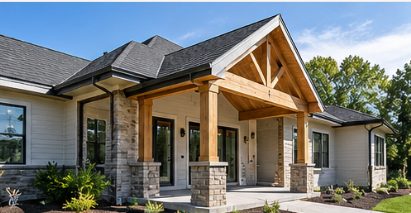
Construction Coordination
General Contracting in Ashland, KY
Start with your project goals, property details, and the work you need completed. Get a Free Estimate
Construction Coordination
Start with your project goals, property details, and the work you need completed. Get a Free Estimate
Hiring a general contractor can help simplify a construction project that involves multiple tasks, trades, materials, and decisions. General contracting brings those moving parts into a coordinated process, with responsibilities and expectations established before work begins. For property owners in Ashland, Kentucky, the goal is to understand the project as a whole rather than treat each task as an isolated job.
General Contractor Ashland KY focuses on discussing the proposed scope, identifying important dependencies, and organizing the work around the agreed plan. The exact services available depend on the project and contract. We encourage property owners to share their priorities, budget considerations, existing plans, and known site concerns early so the work can be evaluated realistically.
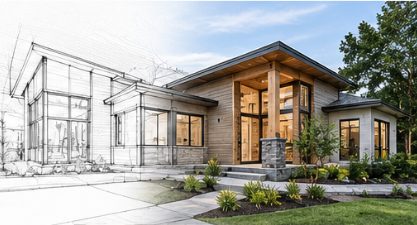
General contracting is a broad service, and the work required varies by project. These are common areas to discuss when determining the right scope for your property.
Identify the work to be completed, the desired outcome, the major decisions, and the information needed before construction starts. A written scope helps define what is included and what may require a separate agreement.
Projects may involve carpenters, electricians, plumbers, roofers, painters, or other specialists. Coordination helps establish how their work fits together and which tasks depend on others. The responsible parties and any subcontracting arrangements should be clear in the contract.
Construction tasks often need to happen in a particular order. Scheduling considers material lead times, trade availability, inspections, site access, and work that must be completed before the next stage can begin.
Material selections affect appearance, durability, cost, and timing. Discuss product specifications, allowances, substitutions, delivery expectations, and approval procedures before ordering materials or changing the plan.
Regular communication helps keep the project aligned with the agreed scope. Depending on the contract, coordination may include reviewing progress, documenting open questions, addressing discrepancies, and confirming the next stage of work.
| Service | Estimated Cost | Average |
|---|---|---|
| Small project coordination | Requires project review | Varies by scope |
| Residential renovation coordination | Requires project review | Varies by scope |
| Multi-trade construction project | Requires project review | Varies by scope |
| Larger or phased project | Requires project review | Varies by scope |
These categories are planning guides, not market-price quotations. No verified pricing schedule is available for this business. Actual costs depend on the scope, property conditions, labor, materials, professional services, permits, and the contractor's fee structure. Request a written, project-specific estimate before committing.
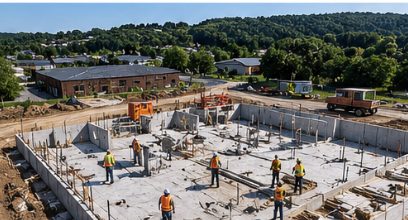
A project is easier to follow when its major tasks, dependencies, and responsibilities are considered together. We focus on making the overall scope understandable.
Discussing inclusions, exclusions, schedule assumptions, and approval procedures early helps reduce misunderstandings later.
We encourage decisions that account for the property's needs, intended use, budget, and long-term maintenance.
We consider project requirements in Ashland and surrounding communities when discussing availability and next steps.
Planning a construction project in Ashland or nearby? Email contact@generalcontractorashlandky.com to discuss the scope and next steps.
Free — no obligations
Describe the property, the work you have in mind, your priorities, and any timing or budget considerations. Existing photos, drawings, or inspection reports may help explain the situation.
Identify the major tasks, materials, professional input, and approvals that may be required. Clarify what is included and which items still need investigation.
Review the proposed cost structure, payment terms, responsibilities, schedule assumptions, exclusions, and process for handling changes. Obtain any necessary written agreement before work starts.
Organize the agreed activities, trade coordination, material decisions, and progress communication according to the contract and project requirements.
Discuss remaining items, applicable inspections, documentation, and any agreed punch-list work. Confirm the closeout process and responsibilities in writing.